Bailey’s Tailgate Talk: Synthetic Rigging Don’t #1: Don’t Let the Sling Find its Position Under Load
Welcome back to Bailey’s Tailgate Talk — where real recovery conversations happen the same way they do at the back of the truck. In this first entry of our Synthetic Rigging “Don’ts” series, we’re tackling a misunderstanding we see often with synthetic recovery slings. It’s a simple concept that can make a big difference in how your rigging performs during a pull.
Understanding How Synthetic Slings Are Built
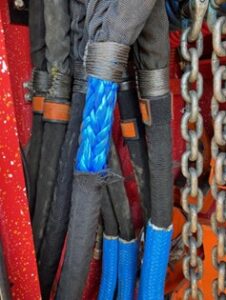
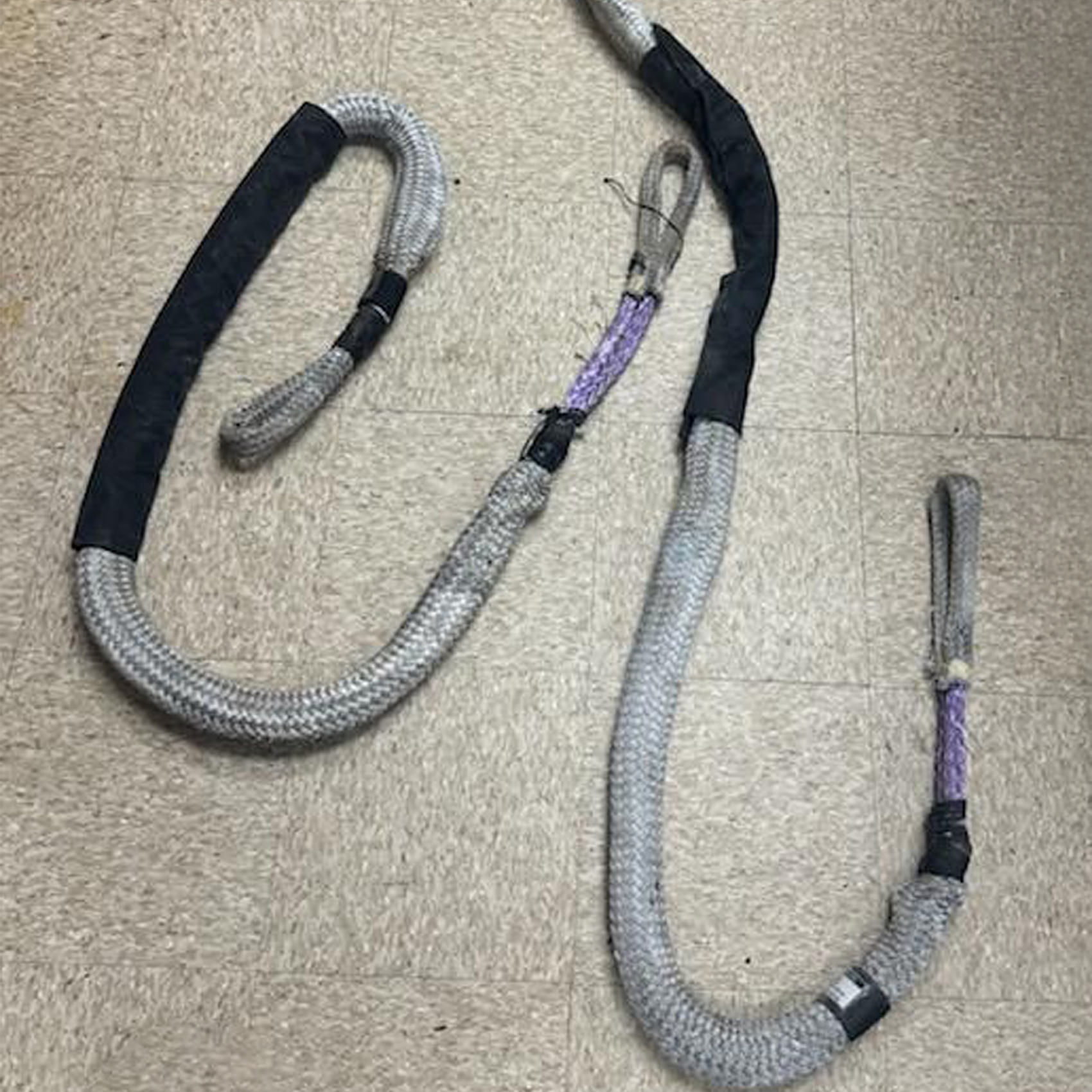
A lot of people assume the outside of a synthetic sling is the part carrying the load. With some slings on the market, that’s actually the case. But most Bailey’s synthetic slings are designed differently.
The HMPE sling that carries the load is fully enclosed inside protective sleeves. What you see on the outside isn’t the load-bearing material — it’s built-in protection for the sling inside.
That’s why we say: Protect your protection. The sling doing the pulling is inside that sleeve.
Where Operators Can Run Into Trouble
Here’s where this design matters in real-world recovery situations.
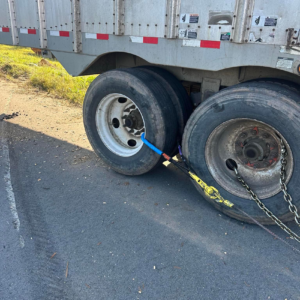
Let’s say you’re using a basketed sling and the connection isn’t centered before tension comes on. As the winch line tightens, something in the connection rotates or settles inside the sling.
When that happens, the protective sleeve can shift or pull to one side. Now the basket may not be sharing the load evenly, and one leg may start carrying more load than the other.
The goal of a basket connection is simple: both legs working together to share the load evenly.
What Operators Should Watch For
Before committing to the pull, take a moment to make sure the system is positioned correctly.
Operators should:
- Position the sling where you want it to load
- Bring tension in slowly
- Watch how the connection settles before committing to the pull
If the winch line has to pull the basketed sling into position, the load may not end up shared the way you expected.
Starting centered allows both legs of the basket to begin carrying the load together from the first inch of tension.
Recommended Rigging
For operators using synthetic recovery rigging regularly, high‑quality HMPE slings with proper protective sleeves can help improve durability and longevity in demanding recovery environments.
Product Website Link: Bailey’s Synthetics™
Recovery work depends on understanding how your rigging behaves under load. Taking the extra moment to center your basketed sling before tension comes on can help the system load the way you intended from the start. Small details like this can make a big difference in how forces are distributed through your recovery setup.
Thanks for checking out Bailey’s Tailgate Talk — where cutting corners ain’t part of the job.
Bailey’s Tailgate Talk videos are posted on Bailey’s Towing Accessories, Inc. social media pages. Make sure you’re following us to stay updated!
Watch this episode of Bailey’s Tailgate Talk: Synthetic Rigging Don’t #1 — Don’t Let the Sling Find its Position Under Load