Bailey’s Tailgate Talk: Synthetic Rigging Don’t#4: Don’t Shortcut Inspecting Your Synthetic Slings
Synthetic sling inspection is essential for safe towing and recovery. Most operators know to look for cuts, abrasion, discoloration, pulled fibers, and visible damage. But what about the damage you can’t see?
In this Bailey’s Tailgate Talk, we’re looking at why inspecting beneath removable sling protection matters. A sling can look acceptable on the outside while hiding damage underneath. That’s why taking the time to inspect the actual sling is so important.
Why synthetic Sling Inspection Goes Beyond the Surface
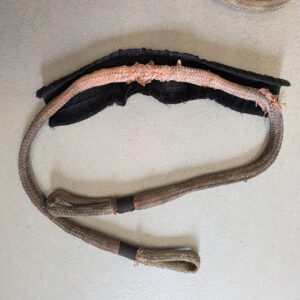
A sling can look fine on the outside but, it’s easy to look over a sling and think: “Yeah, it’s worn… but it still looks usable.” And honestly, from the outside, that may appear true. But removable protection only tells part of the story. The condition underneath that protection matters just as much — sometimes more. If you never take the time to pull the protection back and inspect the sling itself, you may not actually know what condition your rigging is in. That hidden area is still carrying load. It’s still part of the recovery. And it still deserves inspection.
What Real-World Synthetic Sling Wear Looks Like
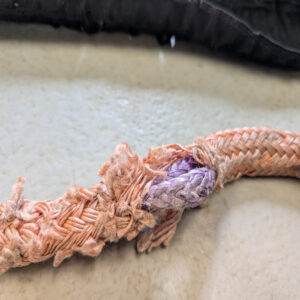
The slings shown in this Tailgate Talk weren’t staged examples or lightly used shop pieces. These are actual field-used slings from a customer operating in demanding daily recovery conditions. At first glance, they looked worn but not necessarily ready to be removed from service. But once the protection came off, the condition underneath started telling a different story. That’s the reality with synthetic rigging. Damage doesn’t always stay visible on the surface.
Why Inspecting Beneath Sling Protection Matters
Protection exists for a reason. It helps reduce abrasion and extend service life in harsh environments. But protection can also hide wear that operators need to see.
That’s why inspections can’t stop at a quick visual glance. A proper synthetic sling inspection means checking the actual sling, not just the outer layer covering it. Because at the end of the day, you’re trusting that rigging during recoveries, pulls, lifts, and load control situations where failure isn’t an option.
Break Testing These Synthetic Slings
These specific slings are now being prepared for break testing. The goal is simple: We want to see what years of heavy real-world use actually did to their strength. Not guesses. Not assumptions. Real results. This customer used these slings daily for around three years in demanding conditions, and we know a lot of operators are curious about what long-term use truly does to synthetic rigging performance over time. We’ll be sharing those results in an upcoming video.
Synthetic Sling Inspection: The Bottom Line
Don’t assume your sling is fine just because the outside looks acceptable. If your rigging has removable protection, take the extra minute to inspect underneath it.
What you don’t see is still part of the job. And when it comes to synthetic rigging, shortcuts during inspection can lead to costly mistakes later. Stay safe. Inspect thoroughly. And never stop learning about the equipment you trust every day.


Thanks for checking out Bailey’s Tailgate Talk — where cutting corners ain’t part of the job.
Bailey’s Tailgate Talk videos are posted on Bailey’s Towing Accessories, Inc. social media pages. Make sure you’re following us to stay updated!
Watch this episode of Bailey’s Tailgate Talk: Don’t Shortcut Inspecting Your Synthetic Slings