
Bailey’s Tailgate Talk: Synthetics Isn’t a Material, it’s a Category
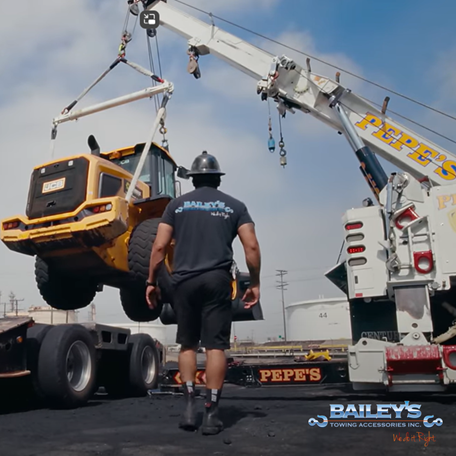
One of the most common phrases we hear in recovery conversations is, “synthetic is synthetic.” It sounds simple, but it’s also one of the biggest misunderstandings in modern rigging. The truth is, synthetic rigging isn’t a single thing — it’s a category made up of very different materials, designs, and behaviors.
Synthetic Is a Category, Not a Catch-All
Synthetic rigging materials like HMPE, polyester, and nylon each bring their own characteristics to the table. Strength, stretch, abrasion response, flexibility, and resistance to environmental factors aren’t shared across the board. Those traits come directly from the material itself, not from a product label.
Not All Fibers Behave the Same
Even within a single material, differences matter. Not all HMPE is the same. Different fiber brands are produced differently, processed differently, and ultimately perform differently in the field. Just like with any other part of rigging, brand and material choice directly impact how equipment behaves under load.
Looks Can Be Deceiving
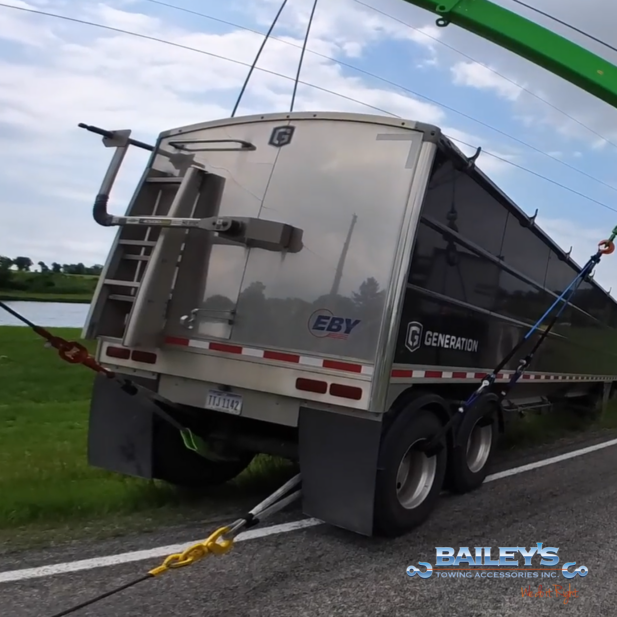
Here’s a simple question: if you were handed two slings — one made from HMPE and one made from polyester — could you tell the difference just by looking at them? Most people can’t. But once they’re in use, the differences become very real. Stretch, stiffness, abrasion resistance, and load response all change how a sling performs.
Why Construction Matters
A sling isn’t just rope. Construction plays a major role in how synthetic rigging behaves. How fibers are built, how they’re protected, and how different materials interact with one another all matter. Some synthetics don’t work well together, while others complement each other and allow each material to perform at its best.
That’s also why some synthetic ropes make better slings than winch lines, even when they look similar at first glance. The material, construction, and intended behavior all have to align.
Design Exists for a Reason
Different sling designs exist because different situations demand different behavior. Sometimes compactness matters. Sometimes flexibility matters. Sometimes higher working load limits matter. Those differences aren’t marketing-driven — they’re based on real material behavior in real recovery environments.
Slowing the Conversation Down
At Bailey’s, a big part of our job is slowing the conversation down. When someone calls and asks, “what do I use?”, the first step is understanding the environment, the constraints, and what the recovery actually requires.
That’s why Thad spends so much time on the phone with operators — learning the situation and how the rigging needs to behave. From there, the answer becomes clearer, not because someone was told what to do, but because the materials start to make sense.
Understanding Changes Everything
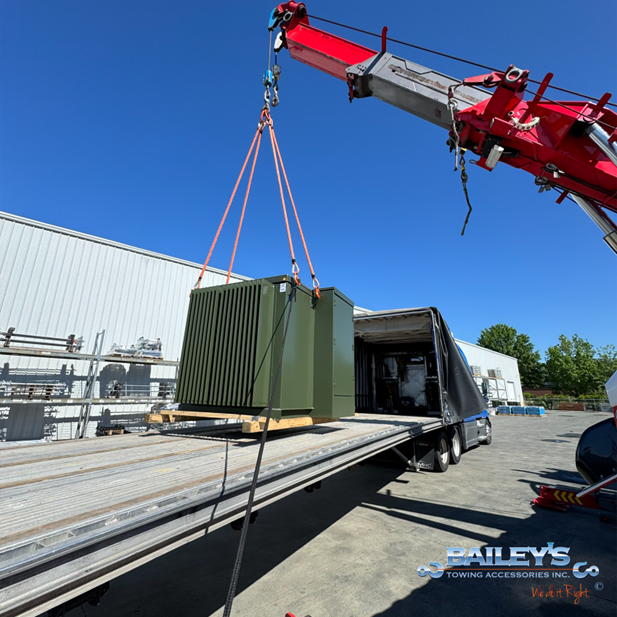
When you understand that synthetic is a category — made up of different materials, fiber brands, constructions, and protections — the conversation changes. It stops being about chasing individual numbers and becomes a discussion about the entire recovery situation.
If you’re evaluating synthetic recovery slings or want to better understand how different materials behave, explore Bailey’s synthetic rigging solutions here.
That understanding is the foundation everything else is built on.
Thanks for checking out Bailey’s Tailgate Talk — where cutting corners ain’t part of the job.
Bailey’s Tailgate Talk videos are posted on Bailey’s Towing Accessories, Inc. social media pages. Make sure you’re following us to stay updated!
Watch this episode of Bailey’s Tailgate Talk: Synthetics Isn’t a material, it’s a Category.