Bailey’s Tailgate Talk: That Synthetic Rope Looks Good… But Is It Right for Your Winch?
When it comes to choosing synthetic winch rope for towing and recovery, color might catch your eye, but performance should make the decision. A synthetic rope can look like the perfect match for your truck and still be the wrong choice for the job.
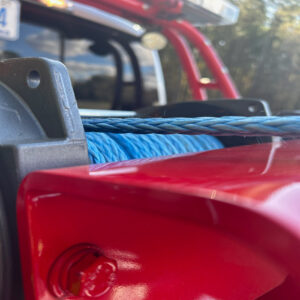
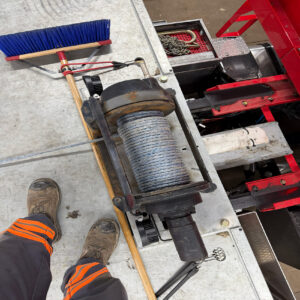
That was the lesson behind a recent call Bailey’s received about a synthetic winch line. The operator had selected the rope because its color matched the controls on the truck. After some time in service, the line was getting fuzzy, flattening out, and diving between layers on the winch drum, where it was causing damage.
The question was simple: was something wrong?
The answer starts with understanding that not every synthetic rope is designed to perform the same way in every application.
Why Choosing Synthetic Winch Rope Matters
The first point in that conversation matters well beyond this one winch line: there is not one synthetic rope that is good for every application.
Some ropes perform better for slings. Some perform better on winch drums. That means choosing synthetic rigging should start with what you need the rope to do, not what color you want it to be.
For towing and recovery professionals, that is an important distinction. Synthetic rope is not a single, interchangeable category where every construction behaves the same way in every use. The application has to be part of the decision.
Is Fuzz on Synthetic Winch Rope Normal?
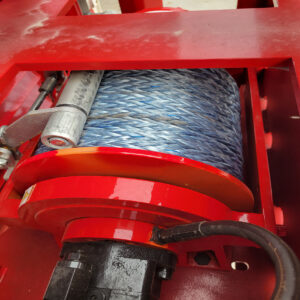
Fuzz is one of the things operators notice quickly because it changes the appearance of a synthetic winch rope. But seeing fuzz does not automatically mean the line needs to be replaced.
As discussed in this Tailgate Talk, what the fuzz means depends on how much is present, where it is located, and the overall condition of the rope. Some fuzz can simply be part of normal service. The important issue is understanding the difference between normal wear and damage that affects the rope’s integrity.
That is also why appearance by itself cannot answer every inspection question. A rope that looks different than it did when it was new deserves attention, but the script does not support a universal visual threshold for when fuzz becomes unacceptable. When there is a question about condition or suitability, get the right information rather than guessing.
How Synthetic Winch Rope Performs on the Drum
The customer’s concern was not limited to fuzz. The rope was also flattening and diving between layers on the winch drum. Those observations bring the conversation back to application fit.
If you are investing in a premium synthetic winch line, look beyond color and ask how that rope performs on a winch drum. Ask where it works best. Those answers tell you much more about whether a rope belongs in your towing or recovery setup than appearance ever will.
The goal is not to declare one synthetic rope ‘better’ than every other rope. The better question is: better at what? A rope selected for one type of rigging application may not be the rope you would select for another.
Choosing Synthetic Winch Rope for the Right Application
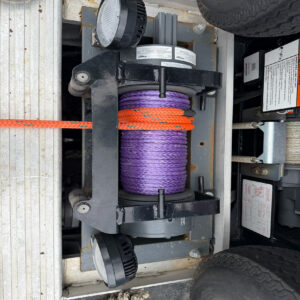
Matching equipment can make a truck look sharp, but color should not make a rigging decision. When choosing a synthetic winch rope, the application should come first.
Think about what you need the rope to do and ask questions about how it performs in that use. If you see changes such as fuzzing, flattening, or other wear, do not rely on appearance alone to decide what those changes mean.
And ask questions even if the equipment did not come from Bailey’s. The customer in this story had purchased the winch line somewhere else. That did not change the value of having the conversation. Good rigging education should help operators make more informed decisions before the next recovery, regardless of where a particular piece of equipment was purchased.
What to Remember When Selecting Winch Rope
Synthetic winch rope is recovery equipment, not a color accessory. A rope can look right on the truck and still raise questions once it is working on the drum.
Choose the rope for the job. Understand how it is intended to perform in the application. Pay attention to changes in condition and ask questions when something does not look or behave the way you expect. Better decisions before a recovery can matter when the equipment is actually under load.
Thanks for checking out Bailey’s Tailgate Talk — where cutting corners ain’t part of the job.
Bailey’s Tailgate Talk videos are posted on Bailey’s Towing Accessories, Inc. social media pages. Make sure you’re following us to stay updated!
Watch the corresponding Bailey’s Tailgate Talk for the full discussion about choosing synthetic rope for the application and why color should catch your eye, but not make the final decision: That Synthetic Rope Looks Good… But Is It Right for Your Winch?
